Top Tile Professionals Mississauga
Seeking professional Mississauga tile professionals? Choose a local specialist who knows permit requirements, association rules, and climate effects. Make sure you get industry standard adherence, moisture mitigation, appropriate subfloor preparation, and flex joints. Request itemized quotes, certified bonding materials, proper water protection, and clean jobsites. Verify Ontario permits, WSIB, insurance coverage, and protection agreements. Compare apples‑to‑apples bids and tie payments to milestones. You'll understand how to choose products, designs, and timelines that meet approval requirements.
Core Insights
- Area professionals knowledgeable in Mississauga building codes, condo and HOA guidelines, municipal approvals, and Greater Toronto Area climate conditions affects construction materials and winter-related challenges.
- Our qualifications feature Ontario certification, WSIB insurance, full liability insurance, and proven references with on-site workmanship inspections.
- Detailed project proposals conforming to industry standards, including surface prep, waterproofing solutions, expansion joints, and warranty terms.
- Proven quality assurance includes moisture level checks, surface contour analysis, anti-fracture membrane and uncoupling solutions, and standard-compliant water protection for water-exposed zones.
- Straightforward payment schedules with milestone-based billing, including matching estimates, dust control plans, and documented post-installation care.
Advantages of Working with Local Tile Specialists in Mississauga
Cut through uncertainty by working with local tile experts who are familiar with Mississauga's building regulations, permitting process, and climate effects on substrates. You get compliant installations, accurate moisture management, and correct underlayment options for temperature fluctuations. Local experts apply community expertise to locate approved materials, arrange inspections, and work with municipal inspectors. They comprehend slab flatness tolerances, expansion spaces, and anti-fracture membranes designed for GTA specifications.
You also gain a verified neighborhood reputation. It's possible to verify references in the area, view in-person workmanship, and verify warranty responsiveness. Local contractors emphasize tidy workspace management, dust management, and secure entry in dense urban settings. They provide clear pricing, coordinate timelines with building regulations, and detail specifications, substrate prep, and setting materials. Such thoroughness secures your investment and ensures enduring, up-to-code results.
Services We Offer: Tile Installation Solutions
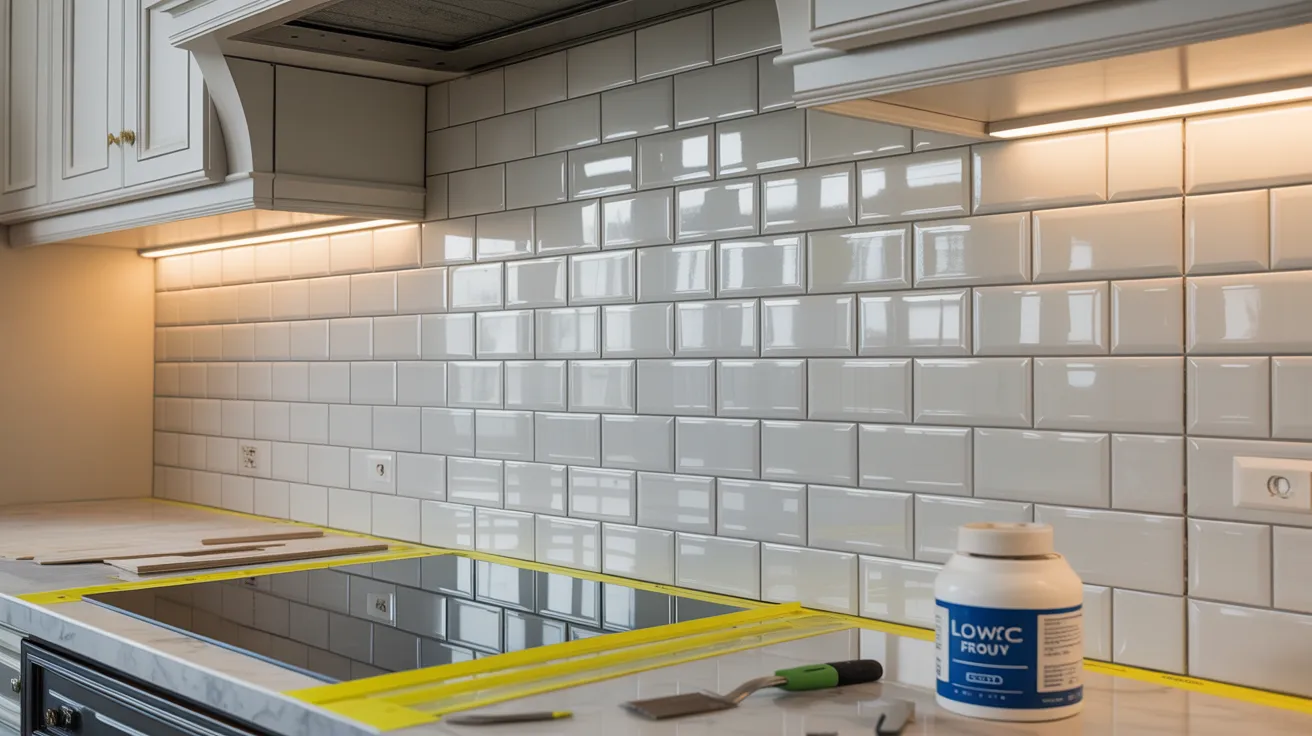
Utilizing local code knowledge working in your favor, you can choose specific tile services that match your area and performance demands. For kitchen backsplashes, you receive clean substrate conditioning, laser layout, tight joints, and grout sealing that eases maintenance. In bathrooms, we set up code-compliant waterproofing, slope-to-drain pans, humidity regulation, and expansion joints, then conclude with green adhesives and low-VOC grouts. On floors, we analyze deflection, apply crack prevention membranes or uncoupling systems, and set tiles with precise trowel patterns for optimal evenness and longevity.
We also design and craft feature walls that comply with fire ratings, attachment specifications, and load requirements, while incorporating niches and lighting cutouts with exacting tolerances. You'll receive clear project scopes, schedule assurance, and written guarantees, making certain your tiled surfaces maintain elegance and deliver results for years into the future.
Selecting the Right Tile Materials for Your Space
While aesthetics are important, it's essential to pick tile according to material characteristics to use, load, and moisture exposure. In moisture-prone spaces, specify porcelain with water absorption rates (≤0.5%) and slip-resistant coefficients per ANSI A326.3. In heavily trafficked areas, choose PEI 4-5 wear ratings and rectified edges for minimal grout joints. Natural stone demands appropriate sealing of pores and deflection checks (L/720 for stone assemblies). For kitchen environments, opt for stain-resistant glazed porcelain; for shower spaces, verify waterproofing with ANSI A118.10 membranes.
When considering eco-friendly options, look into environmentally conscious ceramics with recycled content and environmentally safe adhesives. When installing heated flooring systems, verify your materials are rated for heated floor systems, incorporate decoupling systems, and adhere to thermostat sensor placement guidelines. It's essential to match joint dimensions and grout selection with expansion joint requirements according to TCNA EJ171.
Customization Guidelines and Design Options
You'll receive expert advice on choosing the right materials that matches performance ratings, anti-slip standards, and maintenance requirements. We'll suggest design layouts and decorative elements that manage visual flow, reduce material waste, and comply with joint requirements. Together, we'll finalize a specification that combines visual appeal, resilience, and regulatory requirements.
Materials and Finishes Guide
Before selecting tile, you should define the space's functional requirements and aesthetic goals, then match materials and finishes to these specifications. For wet environments, choose porcelain with high water resistance and a DCOF ≥ 0.42 for traction. For light-duty walls, glazed ceramic tile is sufficient; for heavy-use zones, consider heavy-duty options like quarry or sintered stone. Make sure to verify the freeze-thaw rating for exterior applications and chemical durability for pools and kitchen spaces.
Select finish based on usage: matte finish where traction is needed, honed where glare reduction is important, polished only in moisture-free indoor areas. Match grout colorways to control appearance and seam appearance. Pick eco-friendly sealing products and low-VOC installation materials to achieve indoor air quality standards. Confirm depth requirements, warpage tolerances, and precision-cut edges for minimal gaps. Confirm all materials comply with industry standards and regional requirements.
Pattern Layouts and Decorative Accents
When tile choices are finalized, establish a layout arrangement that aligns with spatial layout, traffic patterns, and maintenance requirements. Running-bond, diagonal, and square-grid arrangements affect visual flow, traction, and grout upkeep. Utilize a centered guideline and dry-lay technique to confirm even distribution, cutting locations, and entryway spacing. Align grout joints to avoid slivers at borders; click here maintain even joint widths according to ANSI A108 and TCNA standards.
Introduce herringbone layouts to delineate focal areas or changeover zones without disrupting egress paths. Design contrast borders to highlight cooking, bathing, or fireplace areas, ensuring movement joints at borders and every 20-25 feet in interiors. Calibrate tile grade and hue before installation. Coordinate thresholds with finished floor heights, include schluter profiles for clean terminations, and grade wet zones to regulation drains.
Installation Process and Quality Standards
We begin with thorough pre-installation site prep, including base material testing, moisture level verification, surface evening, and crack isolation as specified by TCNA and manufacturer specifications. Following this, we establish layout control lines, ensure uniform grout joints, and control lippage within ANSI A108 specifications utilizing calibrated spacers and leveling systems. Throughout the project, we record products, cure times, and adhesion tests to verify your project satisfies code and warranty standards.
Preparing Your Site for Installation
Establishing a successful project begins with rigorous site preparation that follows code and manufacturer specifications. Start by completing a comprehensive substrate assessment: verify structural load capacity, flatness tolerances (typically 1/8" in 10'), and deflection limits according to TCNA/ANSI. Identify cracks, hollow spots, contaminants, and incompatible coatings. Subsequently, perform moisture testing-ASTM F2170 or F1869 as applicable-and apply moisture mitigation when readings exceed the tile system's limits. Address plane and level with appropriate patching compounds, then abrade, clean, and vacuum to achieve a bondable surface.
You establish movement joints following EJ171, manage passageways and thresholds, and verify heating mat installations meet specified depth and listing criteria. Lastly, stage materials, check batch uniformity, condition as needed, and ensure environmental parameters-humidity, temperature, and airflow-are within specified ranges.
Professional Tiling Standards
Execute the install following TCNA, ANSI A108/A118/A136, and manufacturer requirements, logging each step for tracking. Confirm substrate flatness within exact tolerances, correct plane, and specified slope to drain. Choose mortars and membranes per exposure, deflection, and bond requirements, then apply and comb notches in one direction to achieve required coverage. Set tiles with reduced lippage, check joint arrangement, and keep movement joints following EJ171.
You ensure grout specification depending on joint specifications, foot traffic, and chemical resistance needs, then mix, place, and tool within acceptable temperature and humidity ranges. You remove excess material while protecting surfaces and cure per product data. You conduct strength tests, coverage assessment, and layout inspection, creating documentation and imagery that prove compliance and assure lasting performance.
Long-Term Value, Durability, and Maintenance
While design influences choices, longevity, upkeep, and total cost determine true worth. You need assemblies that withstand traffic, moisture, and thermal movement without premature failure. Specify tile with proven wear resistance and a PEI or DCOF rating suited to the use class. Porcelain is our choice for high-use areas and precision-cut edges for minimal grout lines. Emphasize grout performance with enhanced or epoxy-based grout, suited to environmental conditions and maintenance plans. Apply industry-standard adhesives and control joints as specified by TCNA EJ171 to minimize fractures. Seal natural stone per manufacturer instructions; confirm cleaner compatibility. Plan regular assessment of sealants, transitions, and flexible joints. With proper substrate prep, waterproofing, and ventilation, you'll reduce callbacks, extend service life, and protect long-term value.
Budgeting, Quotes, and Project Timelines
Before beginning any work, make sure to get a detailed written proposal that coordinates scope, budget, and schedule. Include line item details for supplies, workforce, substrate conditioning, moisture barriers, and finishing details. Require surface area computations, tile arrangement diagrams, grout specifications, expansion joint placements, and technical guidelines for moisture-prone spaces. Include specifications for tearout processes, material disposal, and dust containment systems.
Establish a practical budget with a 10 to 15 percent budget contingency for unexpected material problems or mandatory code upgrades. Obtain unit rates for alternative selections so modifications are clear. Confirm lead times for tile, membranes, trims, and specialty drains to prevent schedule slippage.
Define project milestones: purchasing, removal, surface remediation, preliminary fitting, setup, curing duration, and final sealing. Include necessary permitting schedules and identify inspection points that may halt operations. Lock in payment draws tied to milestones, not dates.
How to Evaluate and Select the Ideal Service Provider
Although an offer looks promising, diligently vet the contractor with the same detailed approach you apply to specs and codes. Start the verification process by verifying licensing status through Ontario's regulatory bodies and WSIB coverage. Remember to confirm liability insurance and ask for a written scope following TTMAC standards, detailing substrate preperation and waterproofing specifications.
Draft focused interview inquiries about: who performs the work, layout tolerances, movement joints, grouting materials, curing times, dust prevention, and area safeguarding. Request a work schedule with milestones and change request process. Request a documented guarantee.
Complete comprehensive reference reviews with past clients and suppliers; verify on-time delivery, craftsmanship, and problem handling. Examine a active jobsite for safety protocols and organization. Analyze bids apples-to-apples on resources, prep, and finishes. Choose proven expertise over minimum cost.
Frequently Asked Questions
Do You Offer Eco-Friendly or Recycled Tile Options and Adhesives
Absolutely, we offer eco-friendly tile options and low-VOC adhesives. We provide sustainable materials, including recycled ceramics, glass, and porcelain, from approved sustainable suppliers. We specify eco-safe, water-based, and GREENGUARD/LEED-verified adhesives and grouting materials. We provide information about traction ratings, emission limits, and long-term expenses. We verify EPDs and HPDs, confirm recycled content, and guarantee code-compliant installation methods. You'll decrease material waste with precise measurements, eco-friendly disposal methods, and thinset recycling options.
Is It Possible to Combine Radiant Floor Heating and Tile Installation?
Yes, it's possible to integrate radiant floor heating with tile installations. We evaluate the subfloor status, insulation requirements, and load requirements, then select Electric heating solutions for targeted spaces or Hydronic solutions for complete home heating. We adhere to electrical and plumbing codes, apply decoupling membranes, and configure thin-set coverage to manufacturer specs. We check sensor placement, expansion joints, and GFCI protection. In conclusion, we initiate system operation, document warranties, and schedule a controlled heat-up to protect grout and tile.
What Warranty and Guarantee Coverage Do You Offer for Materials and Workmanship
We provide a Lifetime warranty on select materials guaranteed by manufacturers and a five-year Labor guarantee on our workmanship. We install in accordance with TCNA standards and local building codes, tracking all installation materials and specifications. We register product warranties, issue written warranty certificates, and conduct post-install inspections. In the event of installation-related defects, we'll fix the problems-repair or replace-at no cost. Exclusions include intentional damage, structural changes, water events, or incorrect maintenance procedures.
How Are Unexpected Structural Issues Managed During Tiling Projects
Operations are suspended to record observations and brief you on project parameters, expenses, and schedules. Safety measures are implemented to segregate damaged zones and arrange for structural evaluations. Required permits are processed while preparing technical documentation and following building codes. Upon authorization, substrate remediation begins, deteriorated materials are renewed, and proper waterproofing, moisture protection, and anti-fracture membranes are applied. Modifications are documented, cleanliness standards are upheld, and installation continues only after approval is received and structural stability is verified.
Are You Covered for Liability and Workers' Compensation in Ontario?
Yes, you should check that we maintain active workplace insurance and liability protection in Ontario. We can furnish certificates of insurance naming you as certificate holder, including policy limits, copyright details, and effective dates. Our WSIB clearance demonstrates coverage and good standing. We follow OHSA requirements, carry out site-specific hazard assessments, and implement PPE and safe-work procedures. Ask for updated documents prior to project start and during major phases to ensure complete insurance coverage compliance.
Final Thoughts
Ultimately, you're paying for demonstrated expertise, not hollow guarantees. The assumption that "all tile contractors are equal" falls short under practical application-similar to grout without adequate curing time. When you opt for certified Mississauga professionals, you get code-compliant preparation, standard ANSI/TCNA procedures, written guarantees, and monitored schedules. Your surfaces stand up to moisture, movement, and aging because critical elements-expansion joints, surface flatness, moisture barriers-are fundamental necessities. Insist on detailed estimates, mockups, and verification steps. You don't risk with surfaces; you specify performance requirements, and you confirm the results.